

Made to Expand Human Care, Not Get in the Way
We design our products to support clinicians and care teams in real-world practice, with these principles at the center:
Keensight Health's Connected Care AI Suite helps clinicians start patient visits prepared, stay patient-centered under time pressure, and follow through more effectively after the visit.


The best clinicians start visits prepared, set a clear agenda early, build trust quickly, stay present while being thorough, and extend care beyond the visit. But today's reality gets in the way: rising patient complexity, short visits, staffing constraints, and administrative work that spills into evenings and weekends.
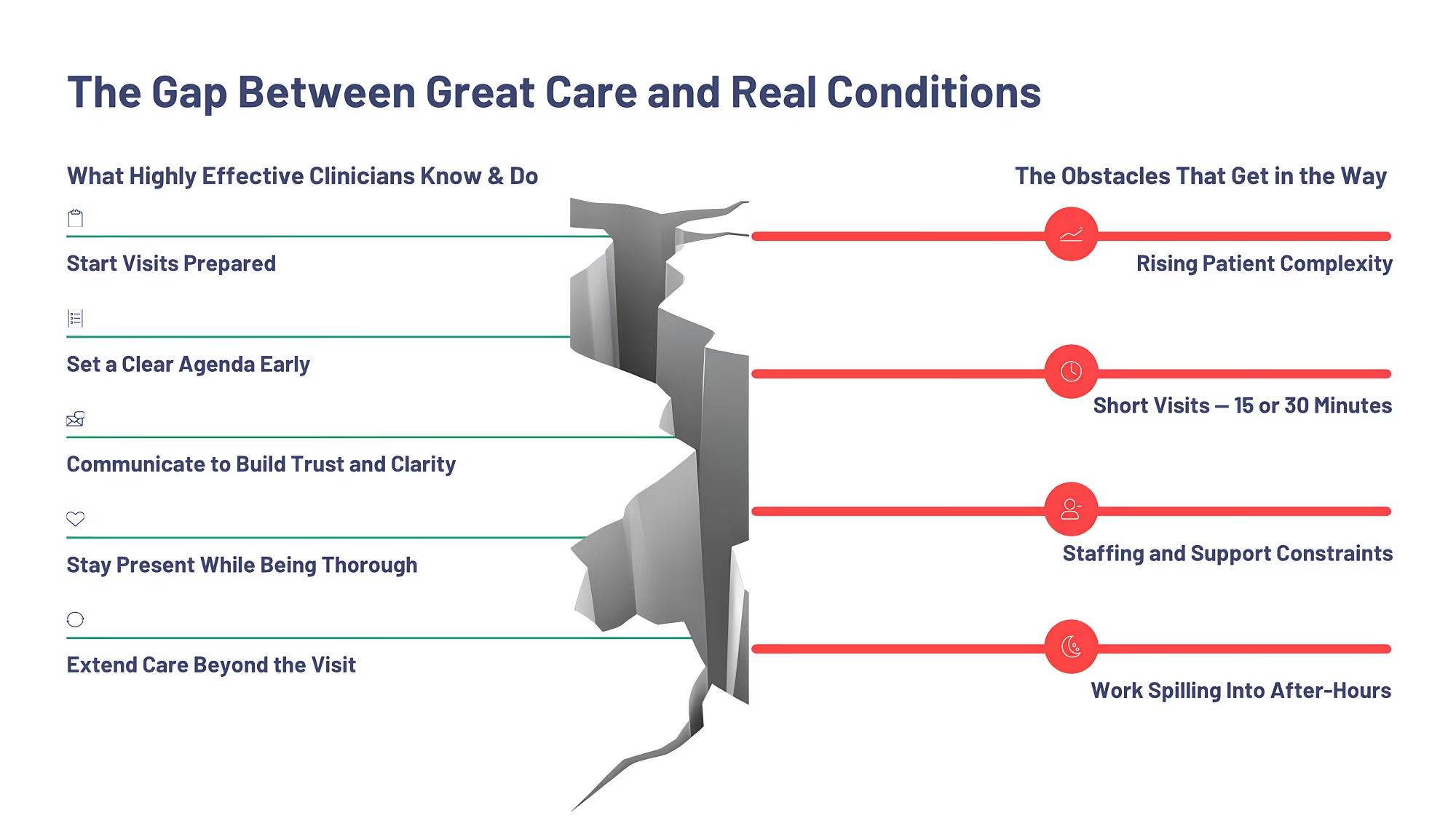
That gap affects everyone. It makes it harder for clinicians to fully address patient concerns, leaves next steps less clear, limits how much of the patient's agenda can be covered in the visit, and leaves revenue on the table when more complete encounters are not conducted and billed appropriately.

Our Pre-Visit Patient Interviewer AI talks with patients before their appointment to gather their concerns, symptoms, history, and priorities. It prepares a concise visit brief so clinicians can start informed, focus limited visit time on what matters most, and address more of the patient’s needs. LarryAI provides AI role-plays, structured communication assessments, and targeted coaching based on simulated and real patient visits—helping clinicians improve communication, decision-making, patient relationships, and care.
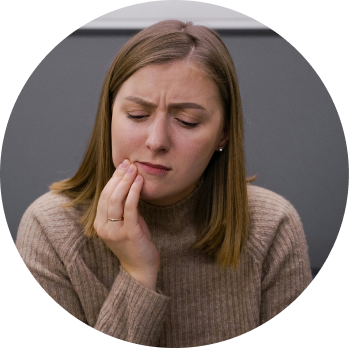
Today's paper and digital forms frustrate patients and clinicians alike, yet fail to deliver critical context. We empower clinicians to walk into the room with a clearer picture of why the patient is here and what matters most to them.
How it works
A physician-trained AI agent conducts a pre-visit clinical interview by phone or other device, gathering symptoms, concerns, history, patient priorities, and the visit agenda before the encounter begins.
We bring forward relevant patient history so clinicians do not have to piece everything together from scratch.
Keensight Health brings together pre-visit interview data, chart history, and visit activity into actionable support clinicians can use at the point of care, including:
Summarize symptoms, concerns, and patient priorities before the encounter begins.
Ambient scribe captures the visit and drafts the visit note.
Signals when important concerns, care gaps, or follow-up needs may not yet have been addressed.
Diagnostic support and recommended clinical questions to ask at the moment of care.
IInstead of starting cold and spending visit time re-gathering history, clinicians begin with a clearer understanding of why the patient is here, what matters most, and relevant history. That means more time to address more concerns, explore treatment options, secure patient buy-in, and capture appropriate billing.

A clearer agenda from the start
Less cognitive overload during the encounter
Lower coordination burden
and experience and 3rd-party reimbursements
When clinicians have time between visits or during scheduled development time, they can use LarryAI to review feedback, reflect on communication patterns, and strengthen their connection with patients, manage time, and navigate challenging conversations.
Medical residency program directors and medical directors can use LarryAI to gain visibility into residents’ and clinicians’ communication skills and identify where to focus their 1:1 coaching time.
Our coaching capability is grounded in the Patient-Centered Observation Form (PCOF), a validated clinical communication framework developed by Larry Mauksch at the University of Washington School of Medicine. This framework supports almost all types of primary care visits, and is especially useful for patients with more complex needs.
Keensight Health's patient-facing Care Follow-Through AI agent will extend support beyond the visit through calls and texts.

Keensight Health is designed to pay back quickly by improving visit completeness, documentation quality, clinical communication skills of the care team, and patient experience performance.
More complete visits and thorough documentation support appropriate coding.
Reimbursement tied to patient experience performance.
Reduction through shared savings and better care plan follow-through.

$37,500
= 3,000 visits/clinician/year × 25% of visits impacted × $50 revenue recovery
$75 Million of annual revenue unlocked
across a primary network of 2,000 clinicians
These are the estimated financial benefits before factoring in patient experience, retention, or efficiency gains.
Keensight Health is built by clinicians and AI architects working hand in hand, with physicians deeply involved in shaping how the system gathers information, supports decision-making, and fits into real clinical workflows.
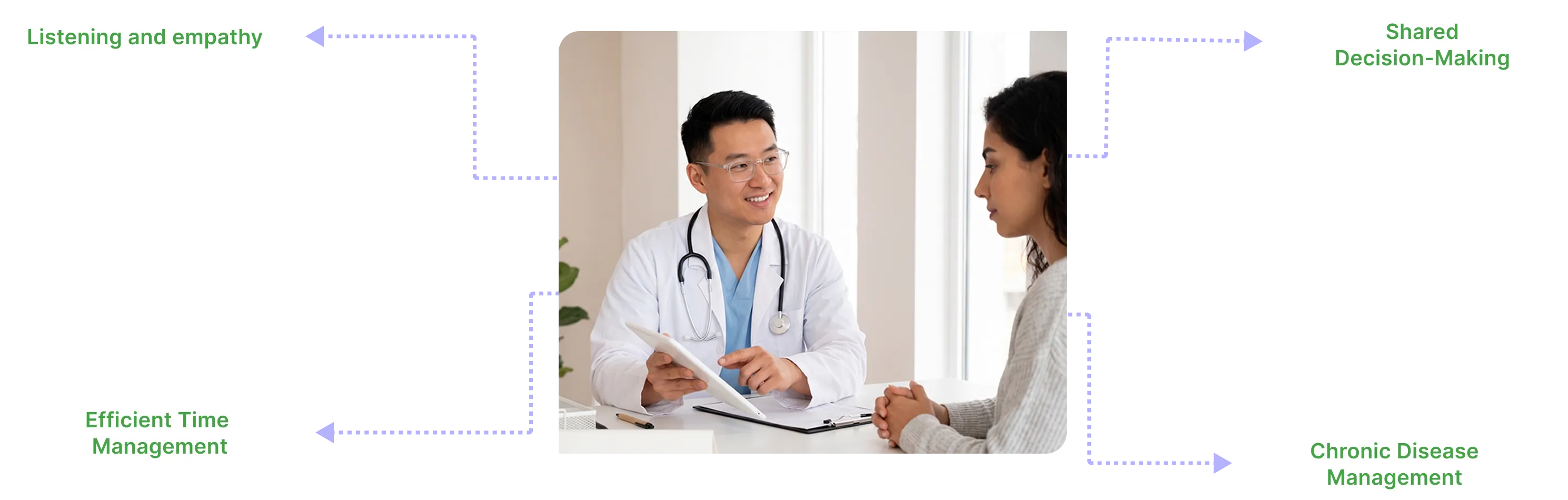
Our clinical communication AI model is grounded in the Patient-Centered Observation Form, or PCOF, a clinical communication framework developed by Larry Mauksch at the University of Washington School of Medicine. PCOF emphasizes listening and empathy, shared decision-making, time management, and chronic disease management — skills that help clinicians build trust, stay organized, and make better use of limited visit time.
We design our products to support clinicians and care teams in real-world practice, with these principles at the center:
Winner of the University of Washington CoMotion Innovation Gap Fund grant, supporting promising researchers building high-impact solutions.
If you are leading clinical operations, patient experience, quality, or clinician development, we'd love to show you how Keensight can help clinicians deliver more complete, patient-centered care under real-world conditions.

Connected Care AI Suite that makes every visit count